Lascaux Cave
We had always been interested in visiting this part of France and since Jean-Luc’s family is near the Dordogne, we took the opportunity to visit this region.
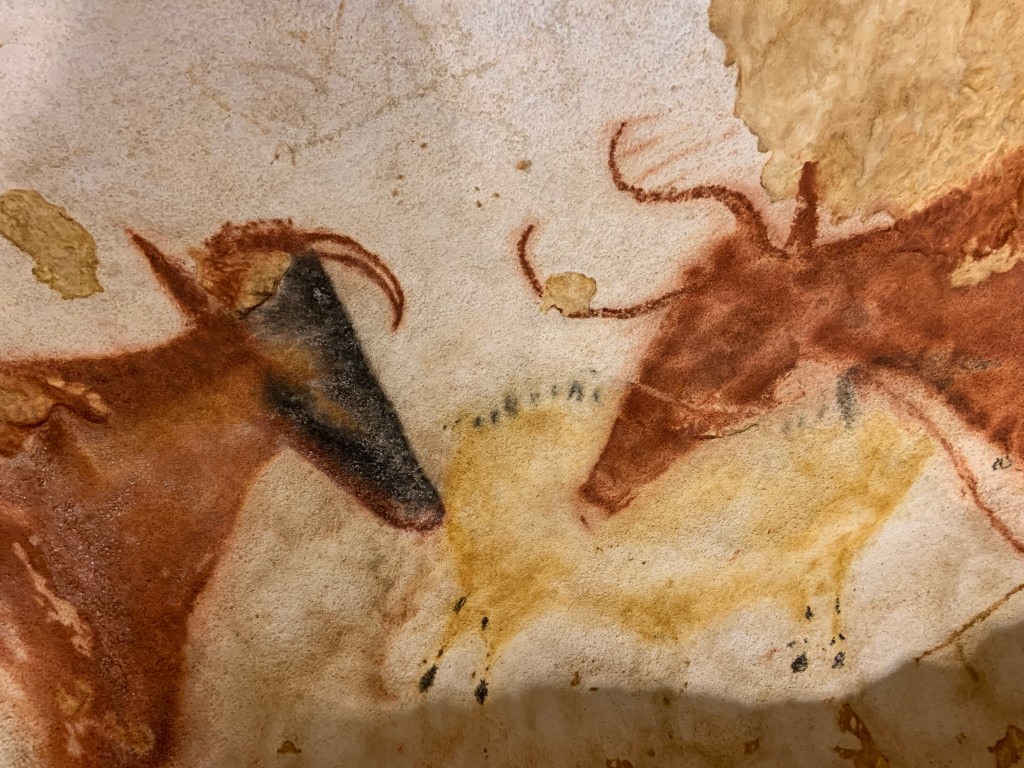
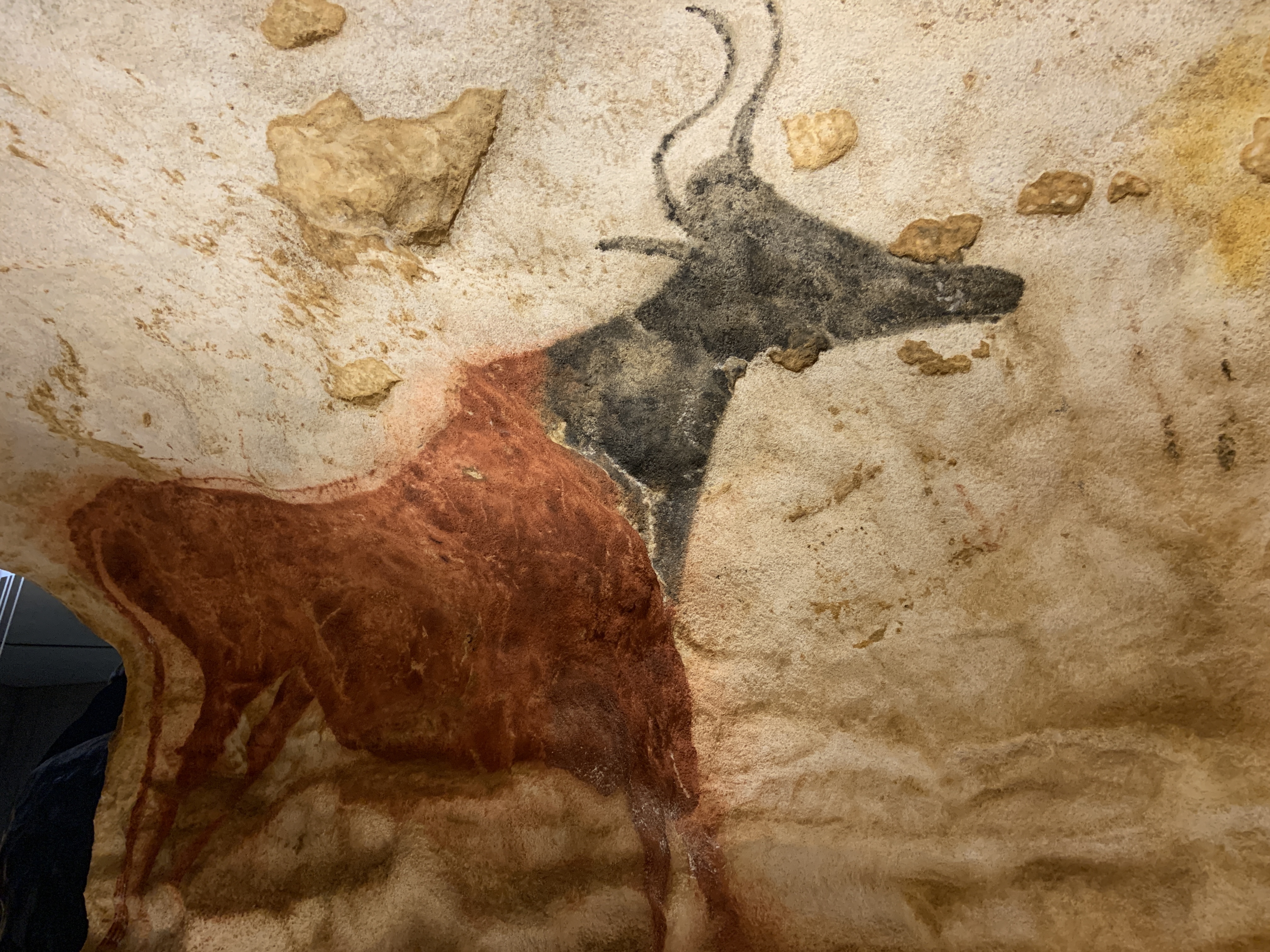
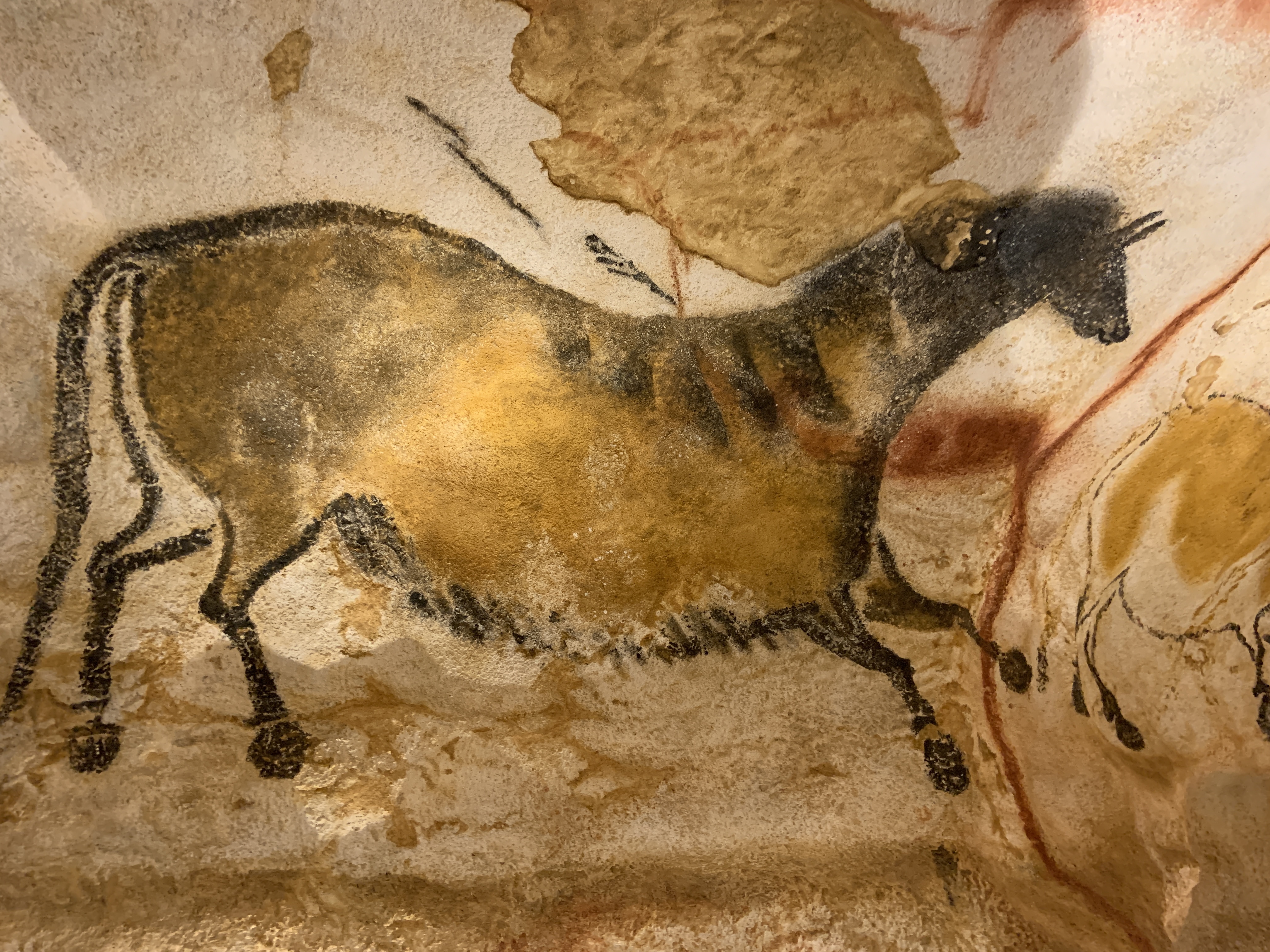
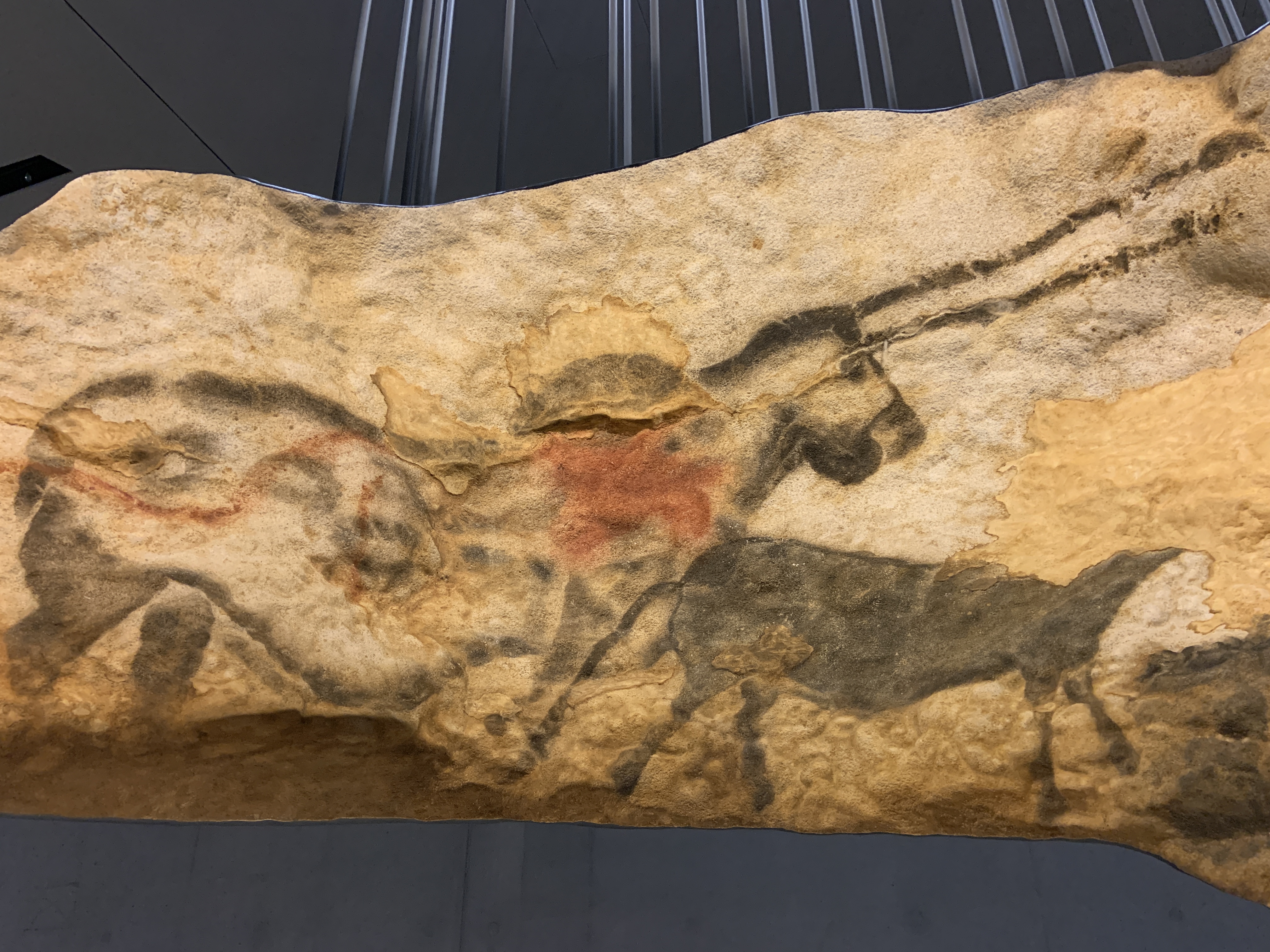
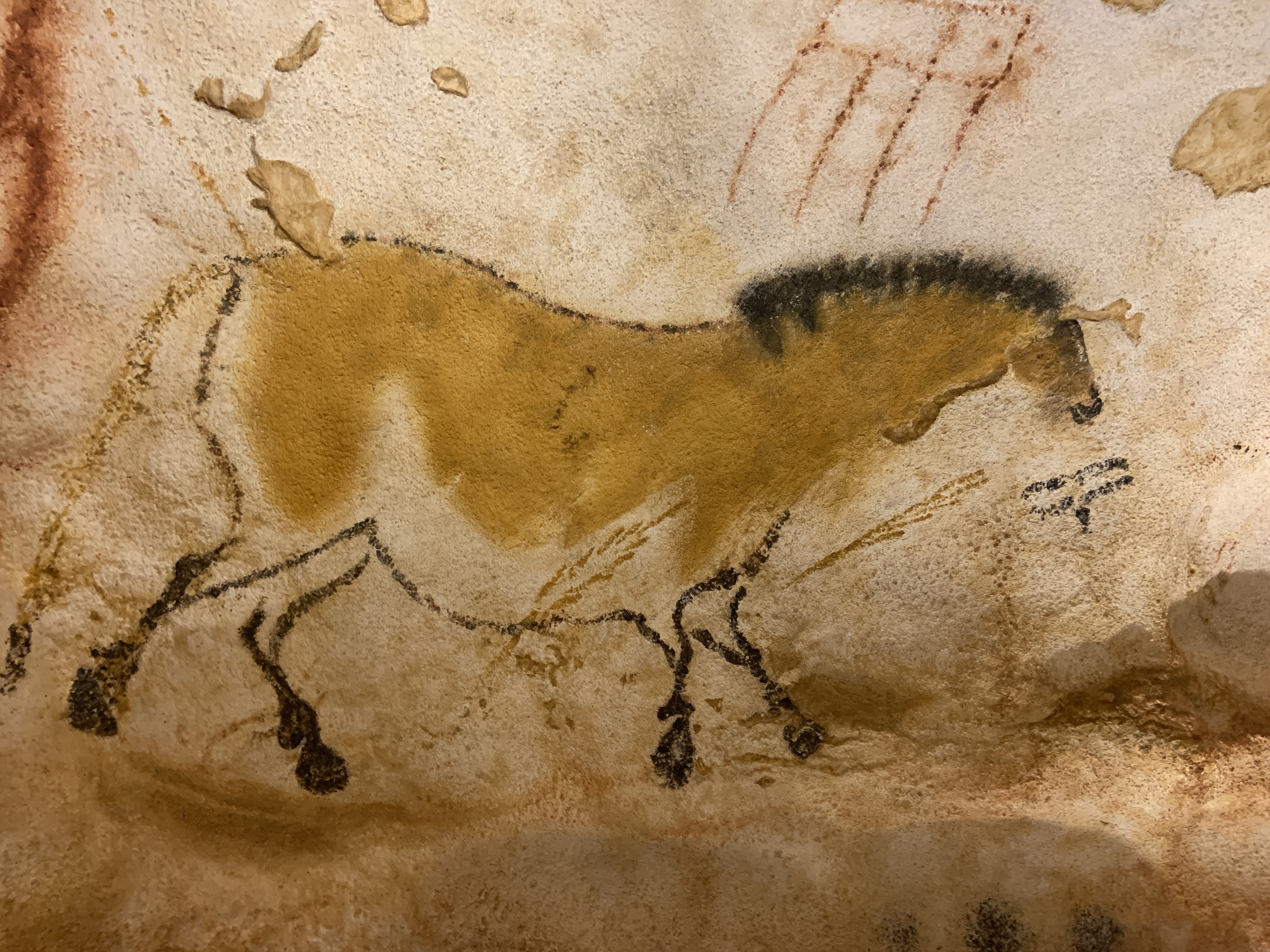
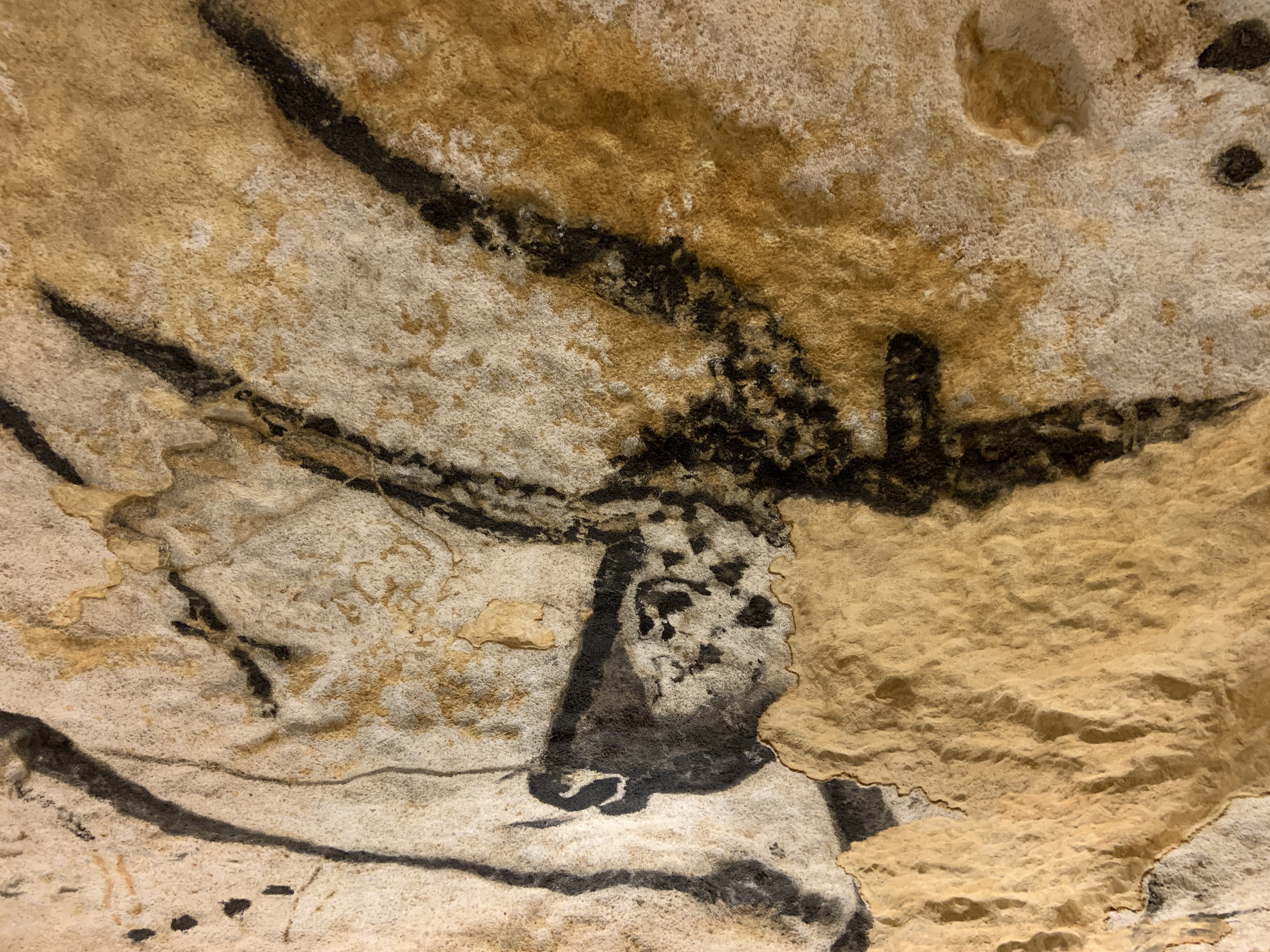
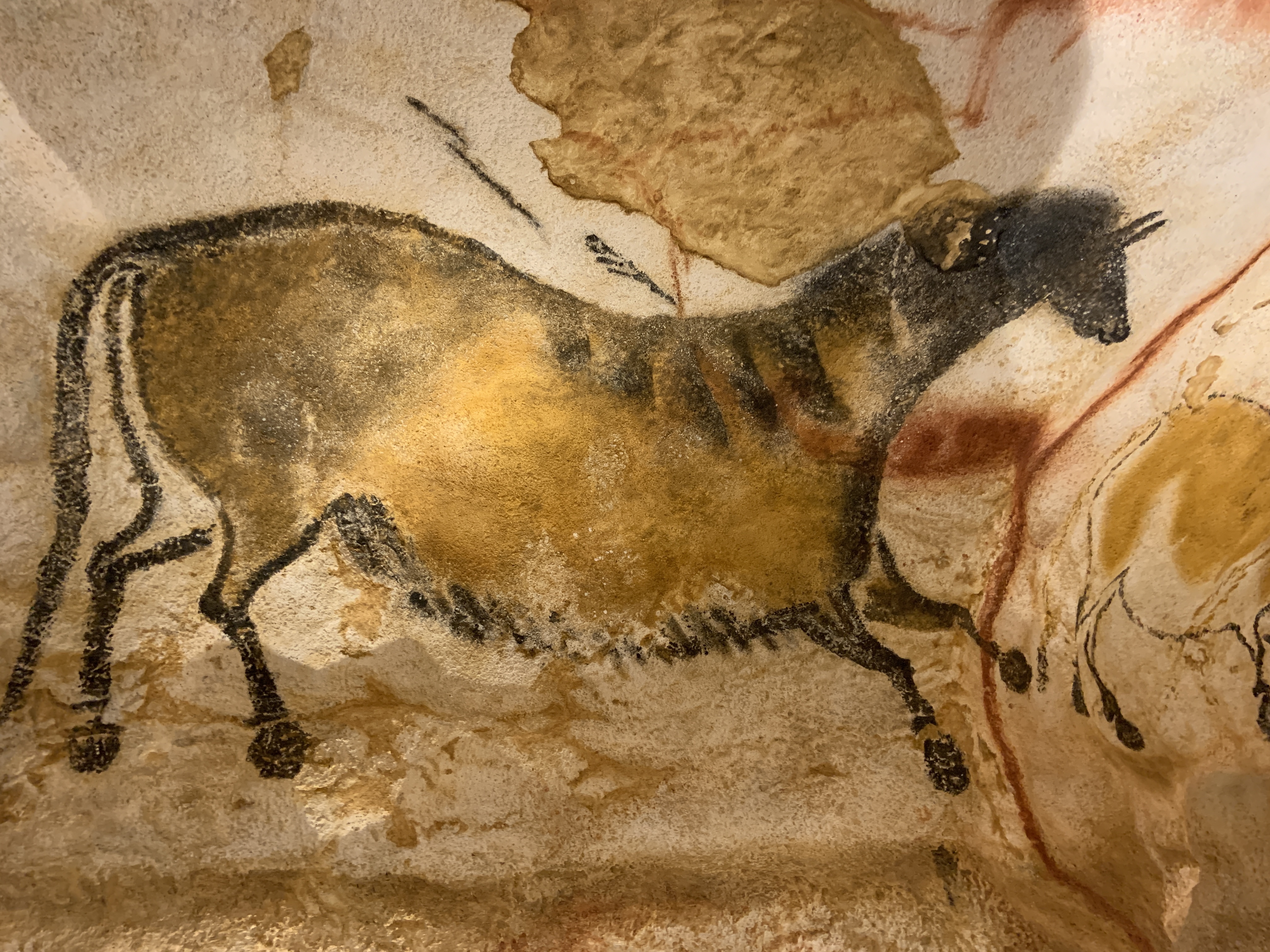
Of all the prehistoric caves in France, Lascaux is the most famous. Discovered on 8th September 1940 by 18-year-old as he was out walking his dog, the “Sistine Chapel” of prehistory – the Lascaux cave contains detailed cave art depictions of galloping horses, incensed bulls, and deer.
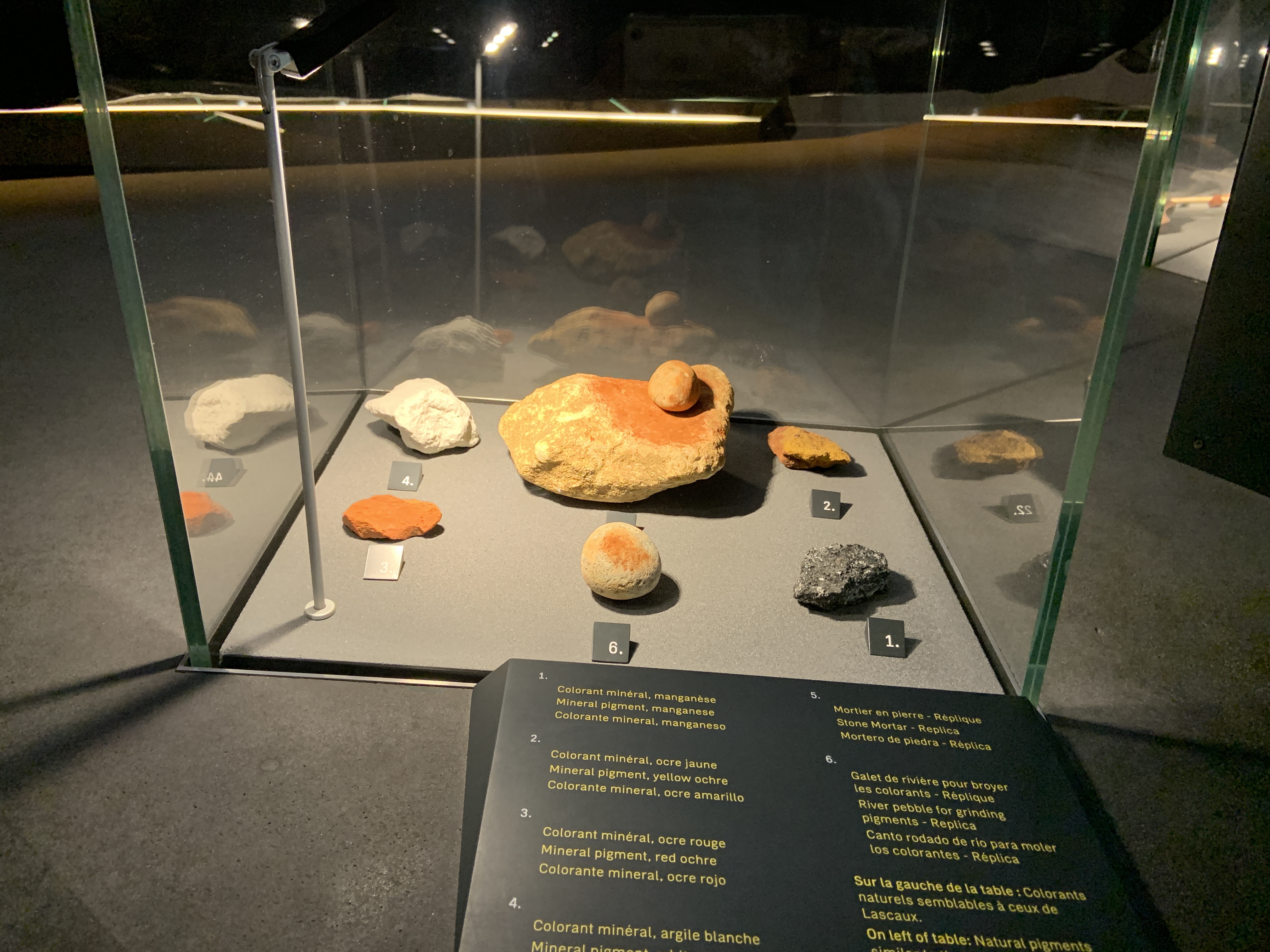
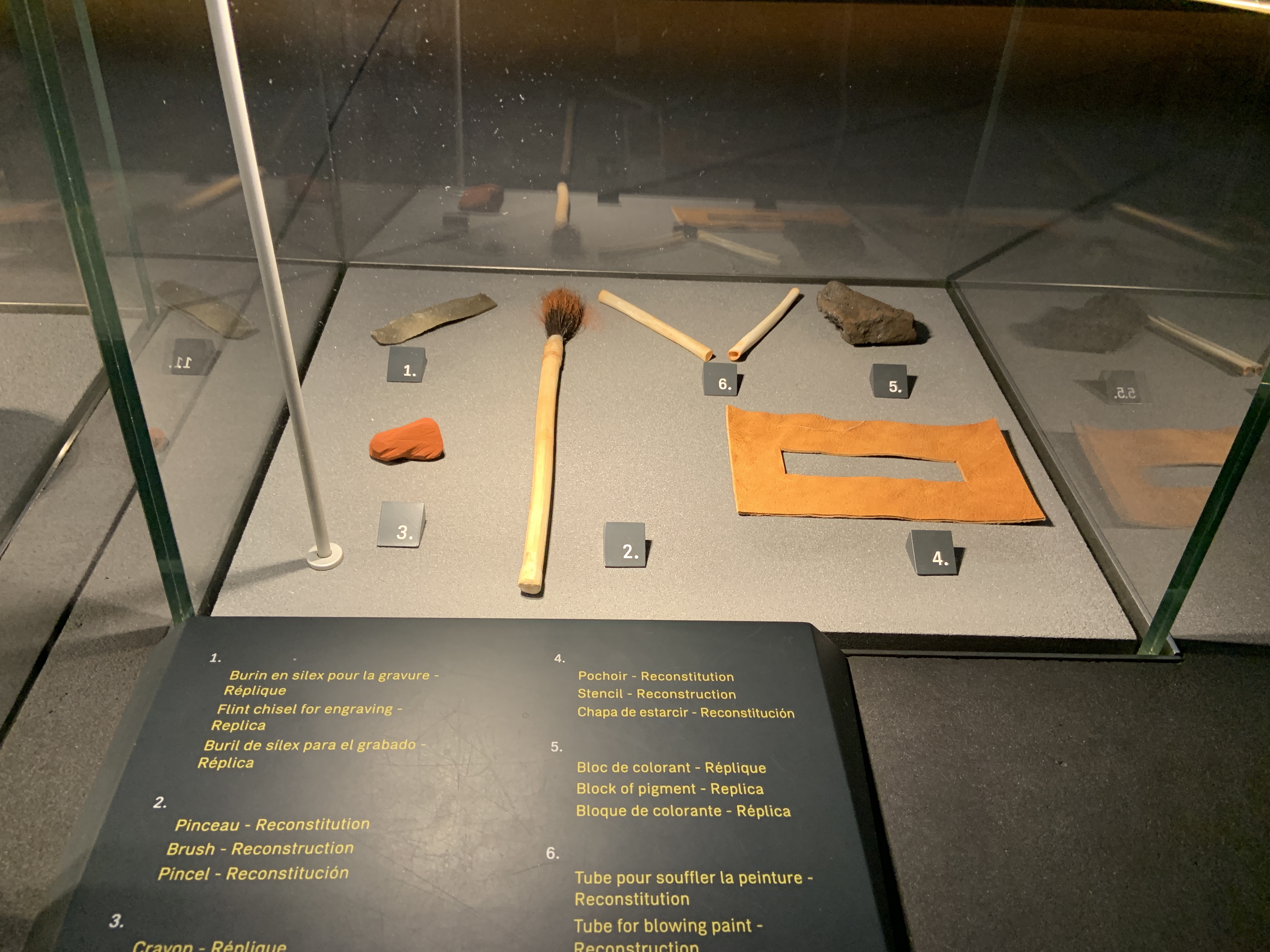
Unfortunately, the cave had to be closed to the public in 1963 due to damage being caused to the paintings by the moisture and carbon dioxide in the breath of more than daily 1,200 visitors. We still found Lascaux II fascinating and also Lascaux IV a beautiful reproduction of the original cave.
Our guides were very informative. They really don’t know much about who these artists were or for what the caves were used. The history is wrapped in the history of time.


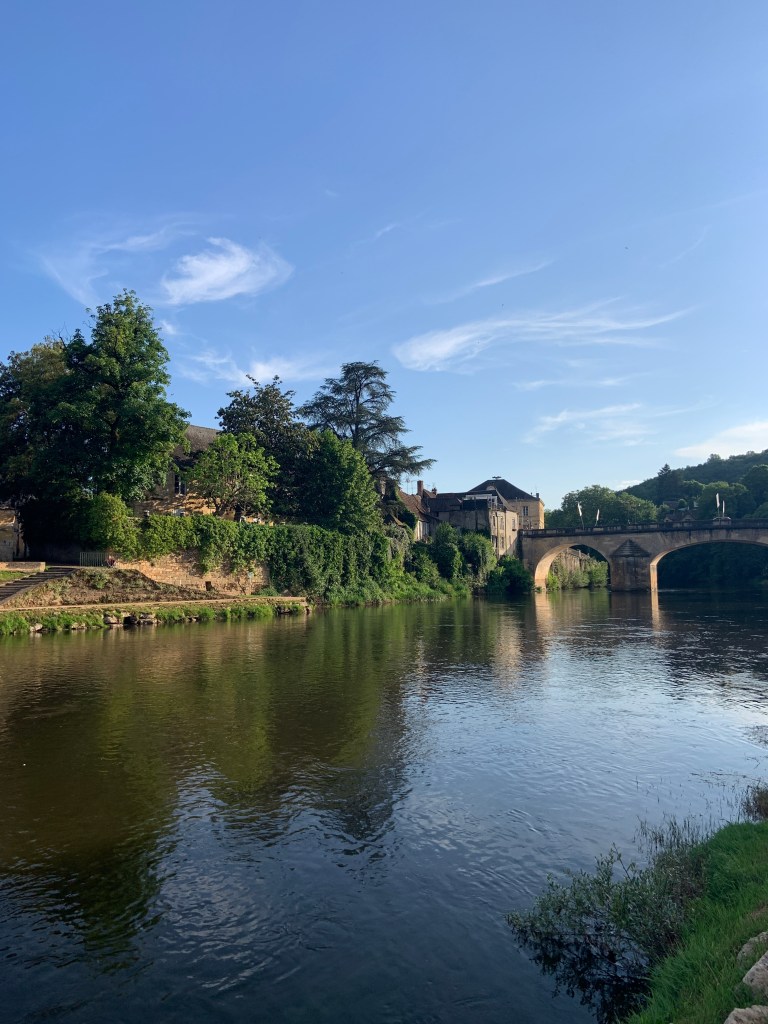
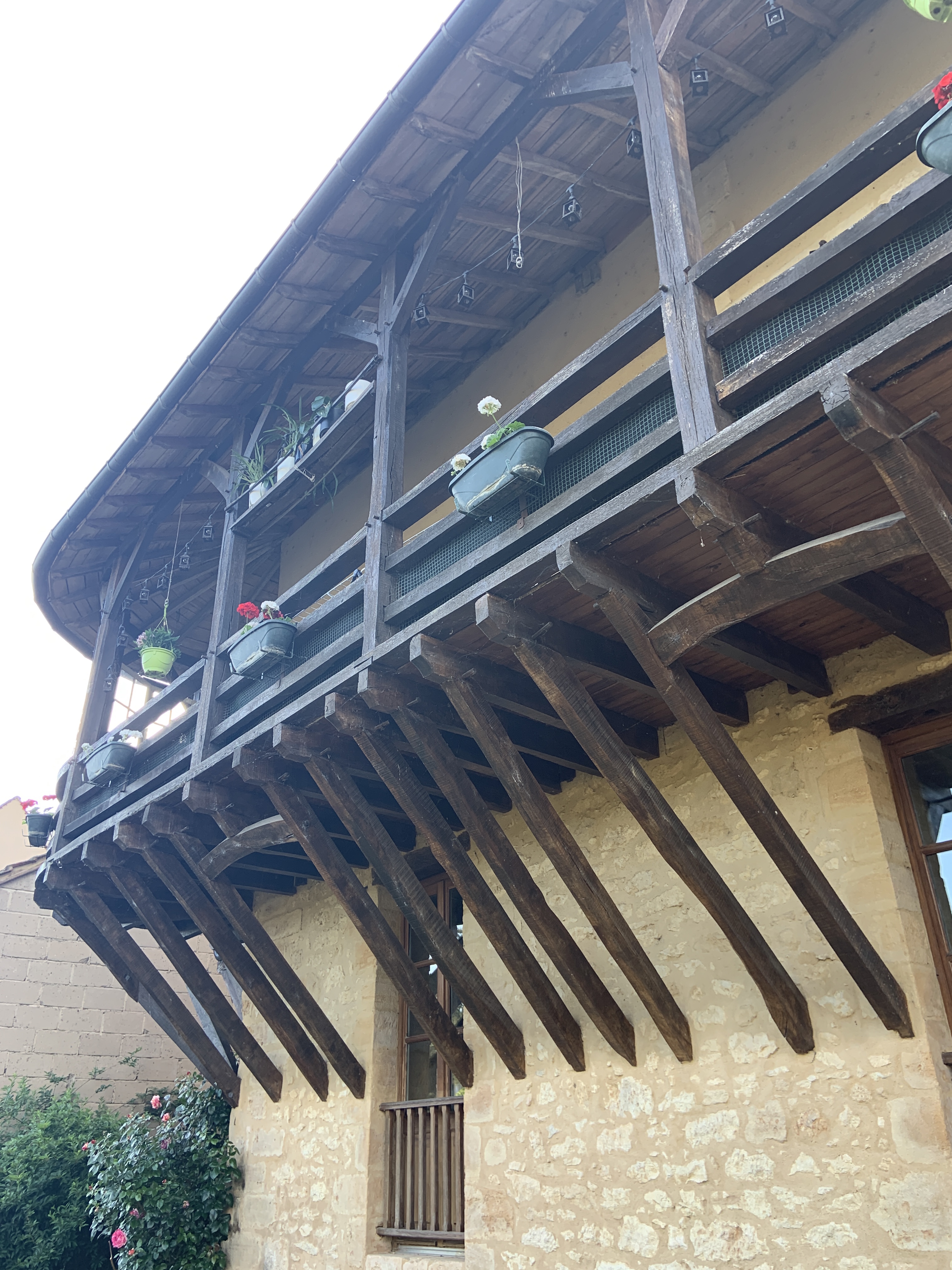
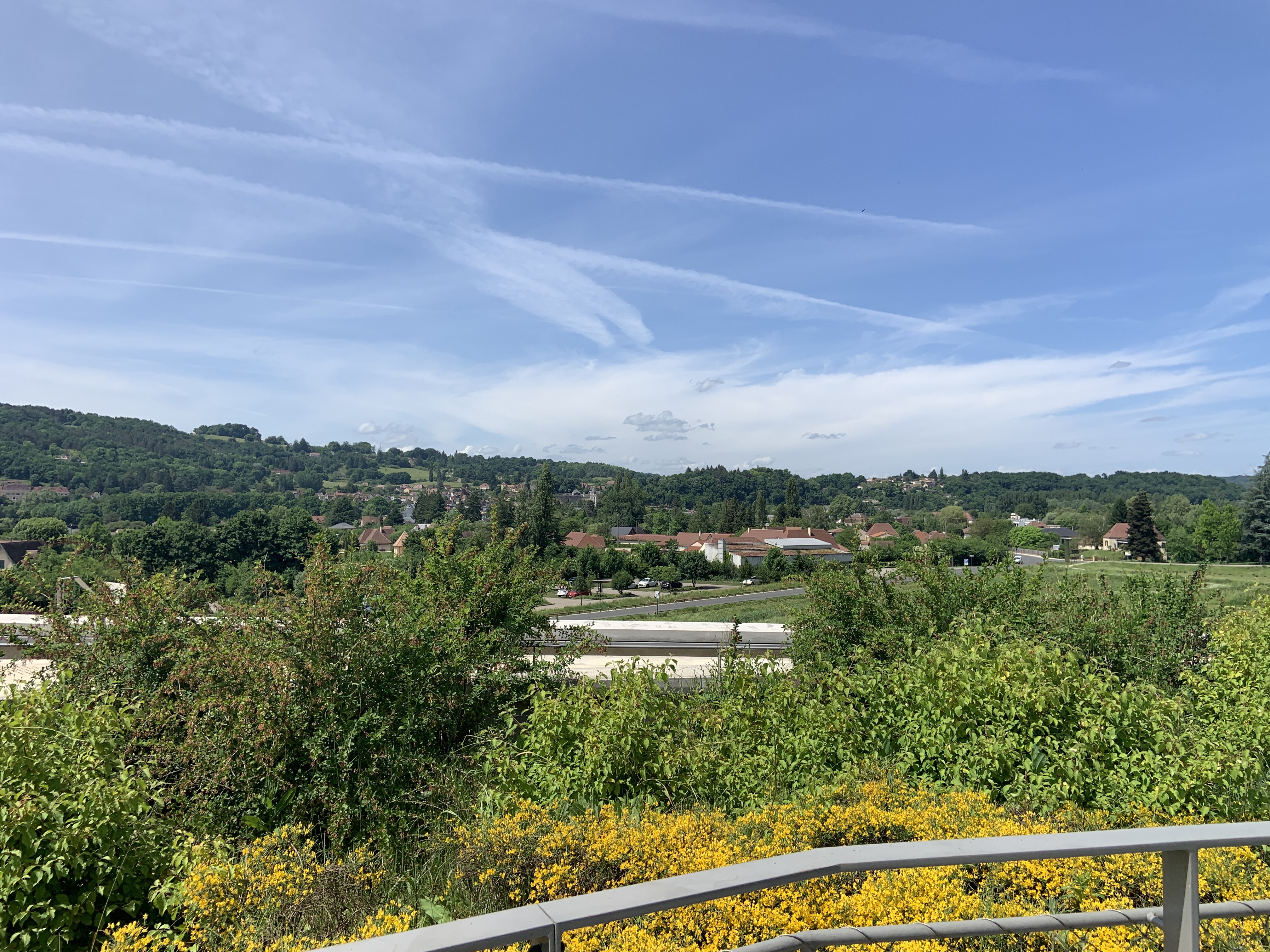
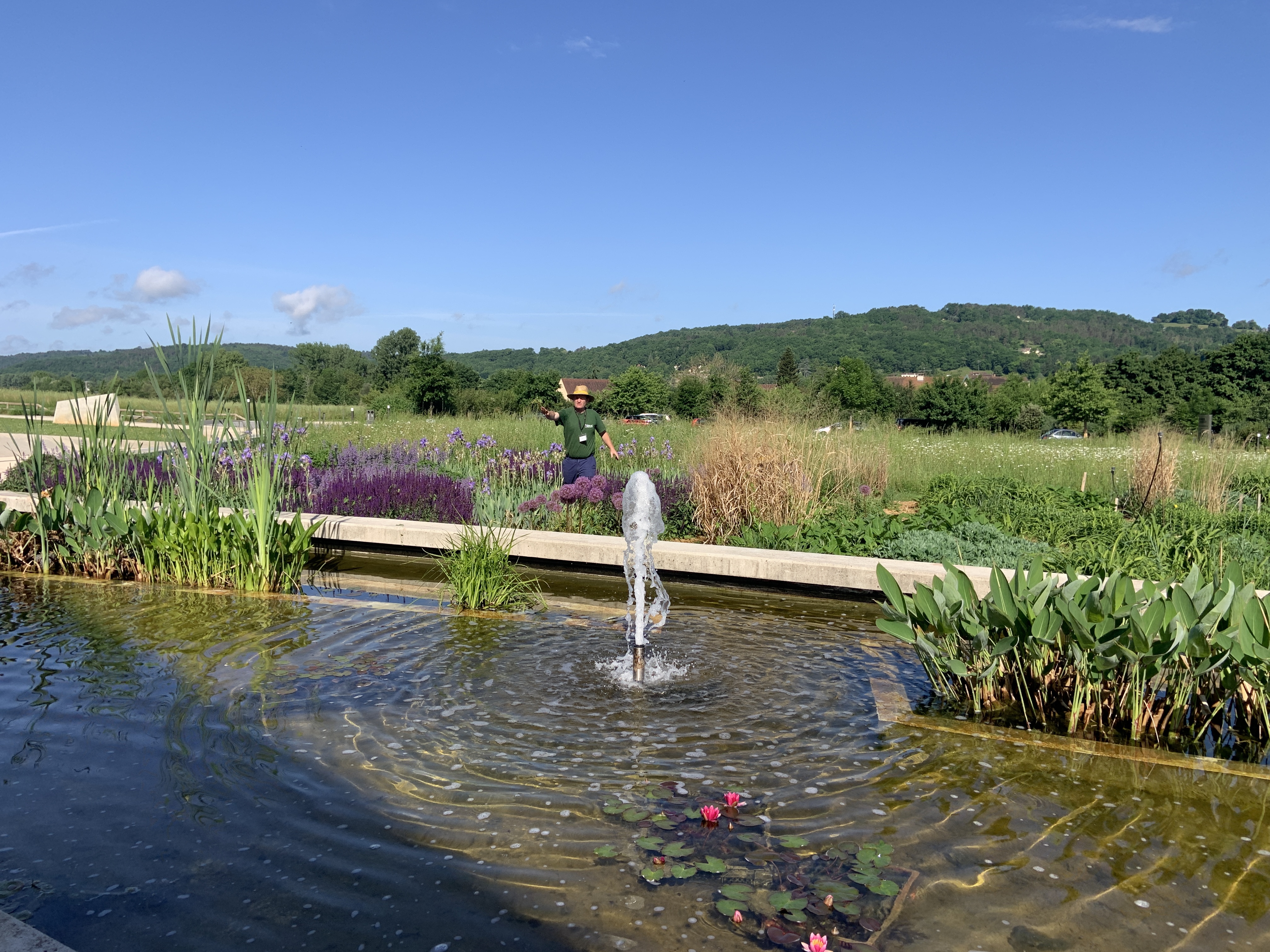
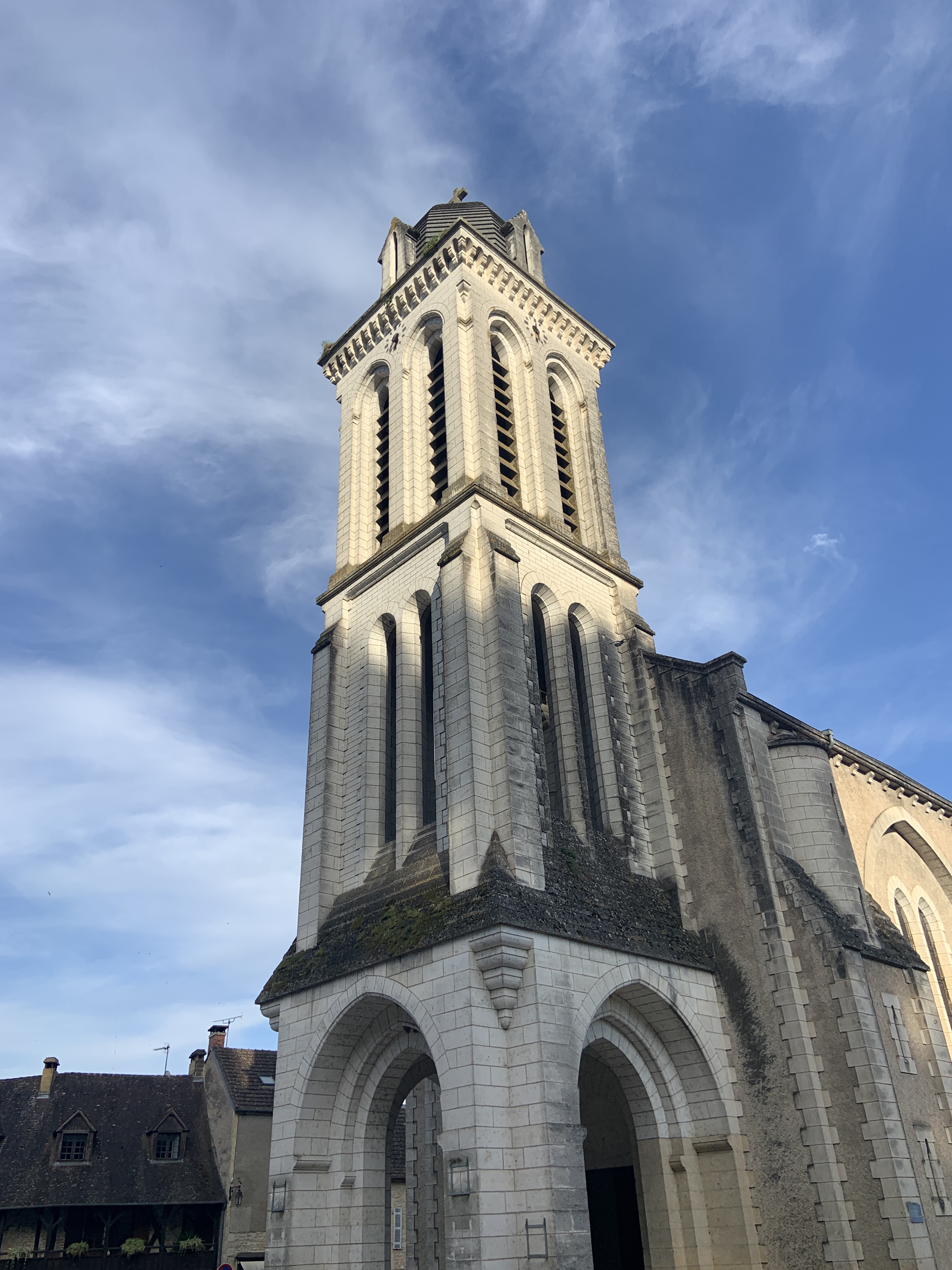
Sarlat-La Canéda and the Font de Gaume
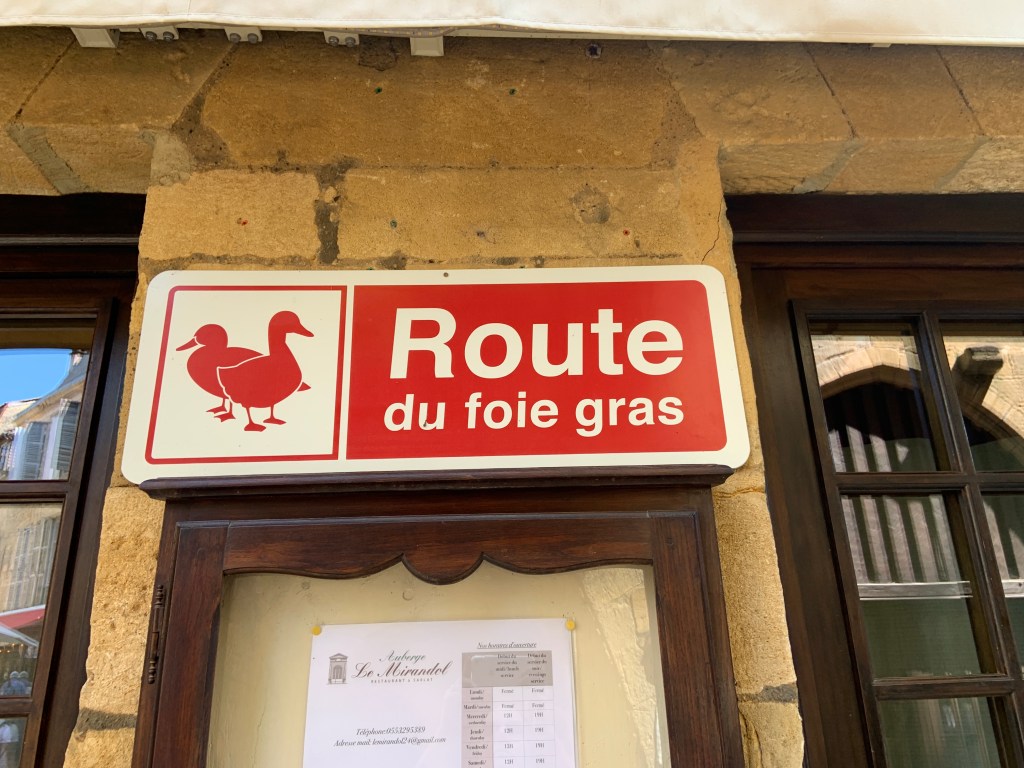
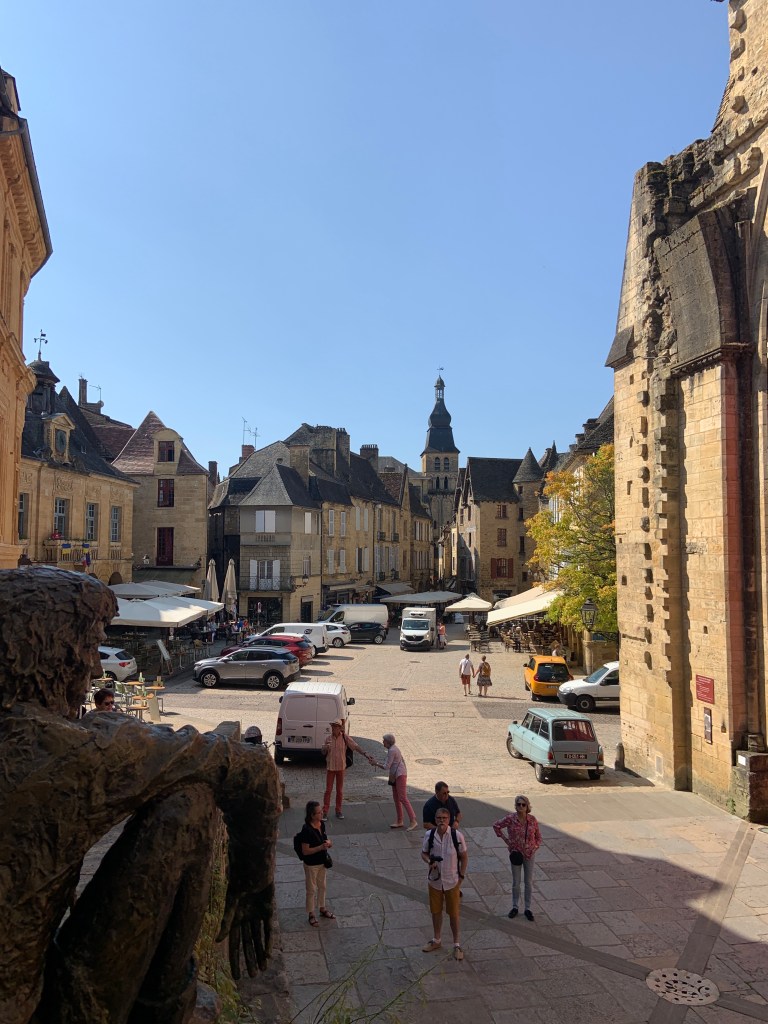
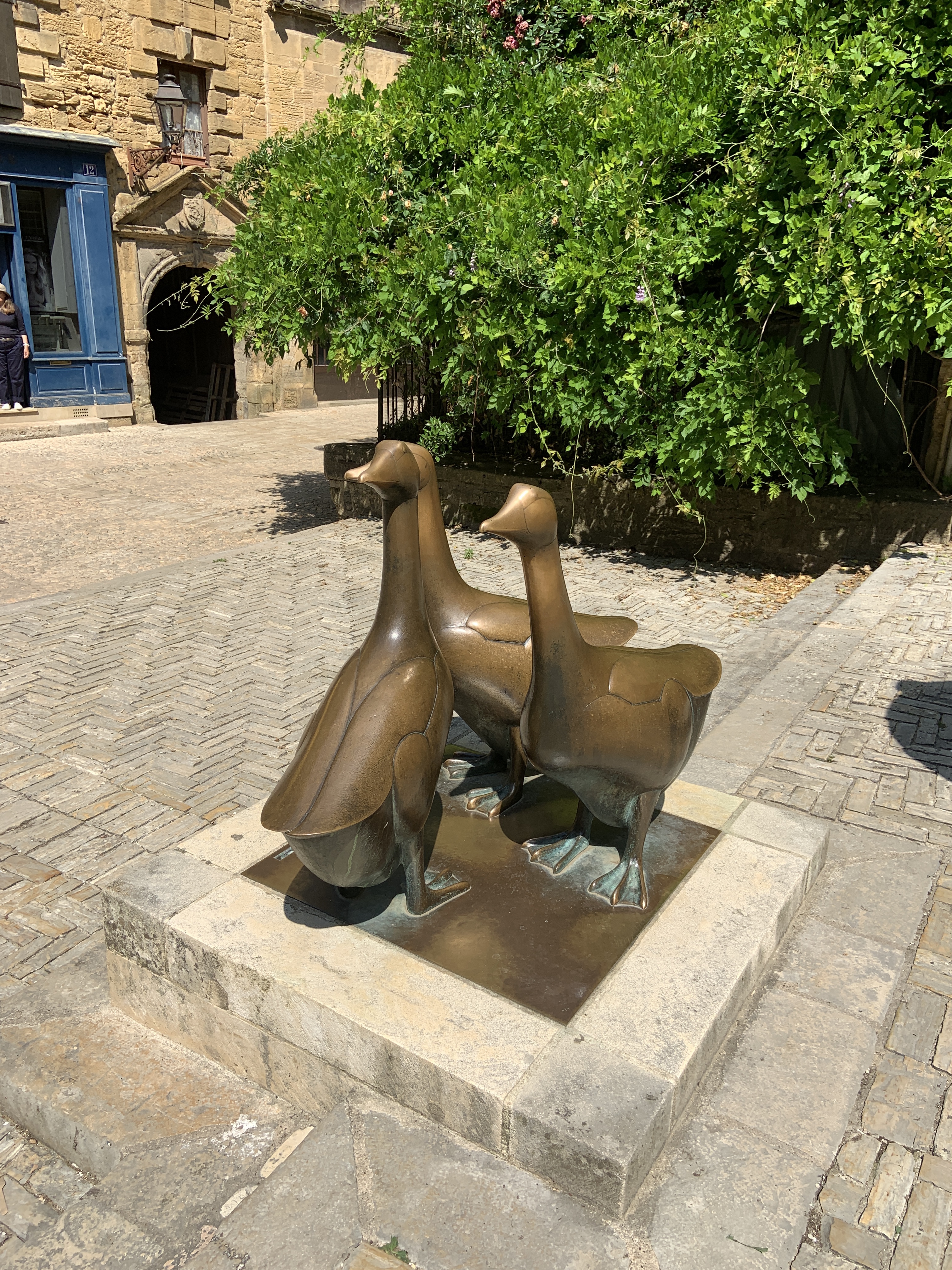
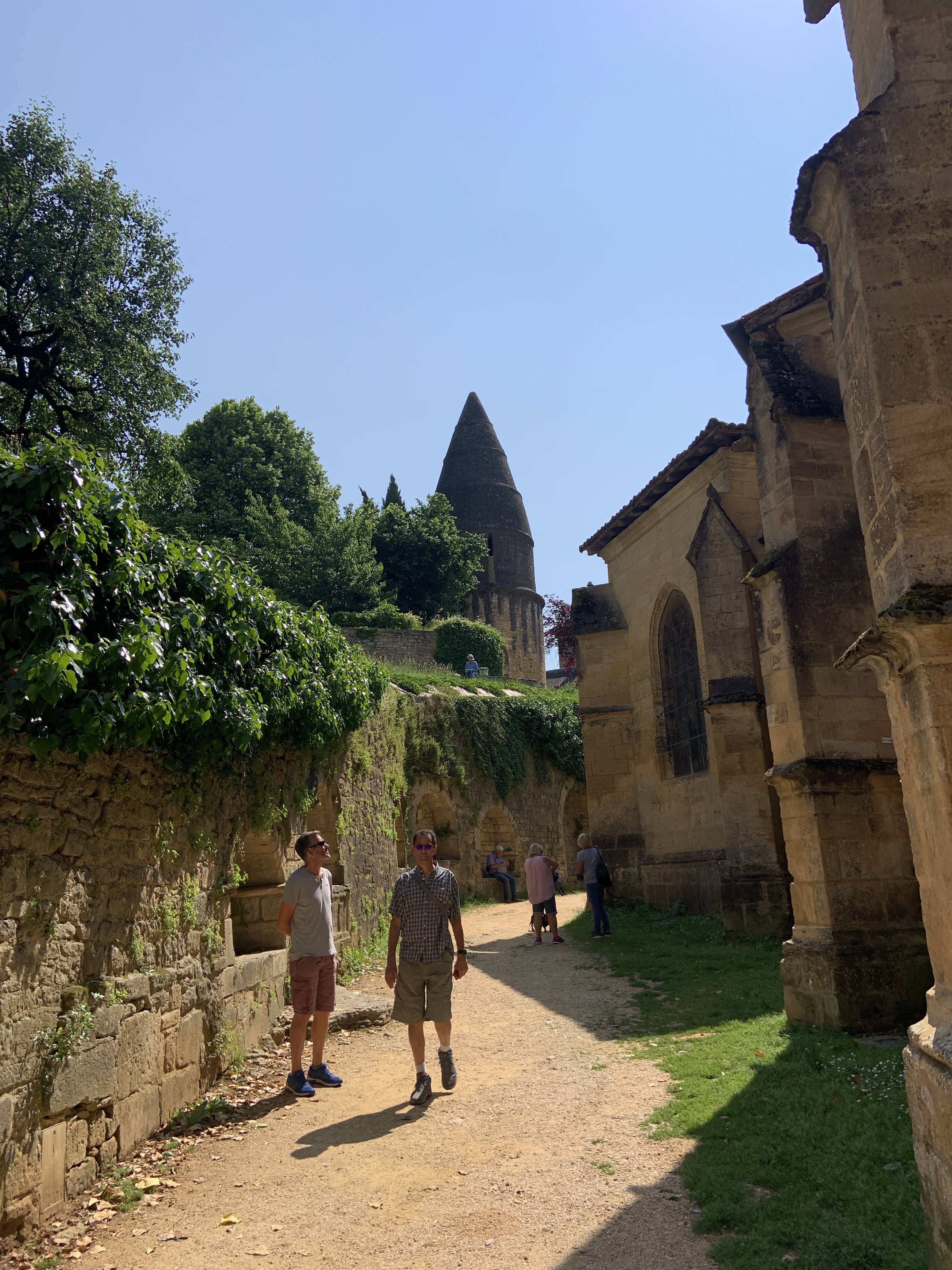
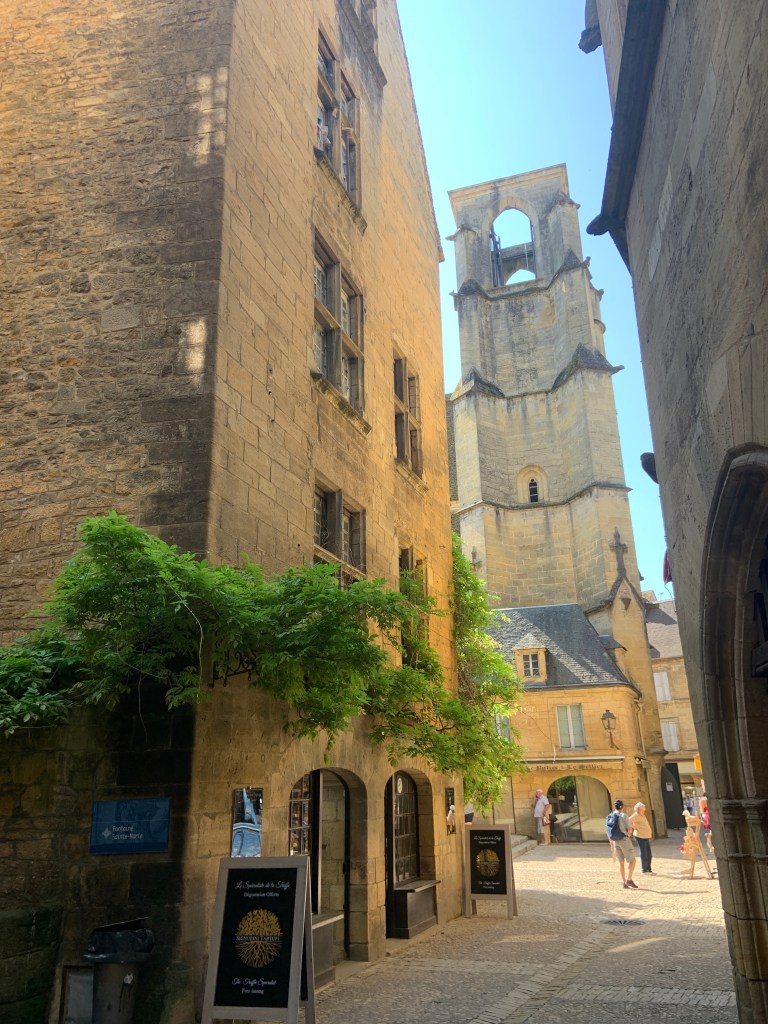
Sarlat-la-Canéda is a medieval town in the southwest in the Dordogne department. We wandered through its lovely streets and picked up a sandwich waiting for our time slot to visit the much more coveted Grotte de Font de Gaume – an original cave that only lets in 75 people a day. We were not disappointed in either! What am amazing part of France!



Grotte de Font de Gaume
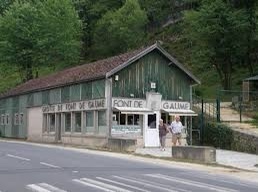
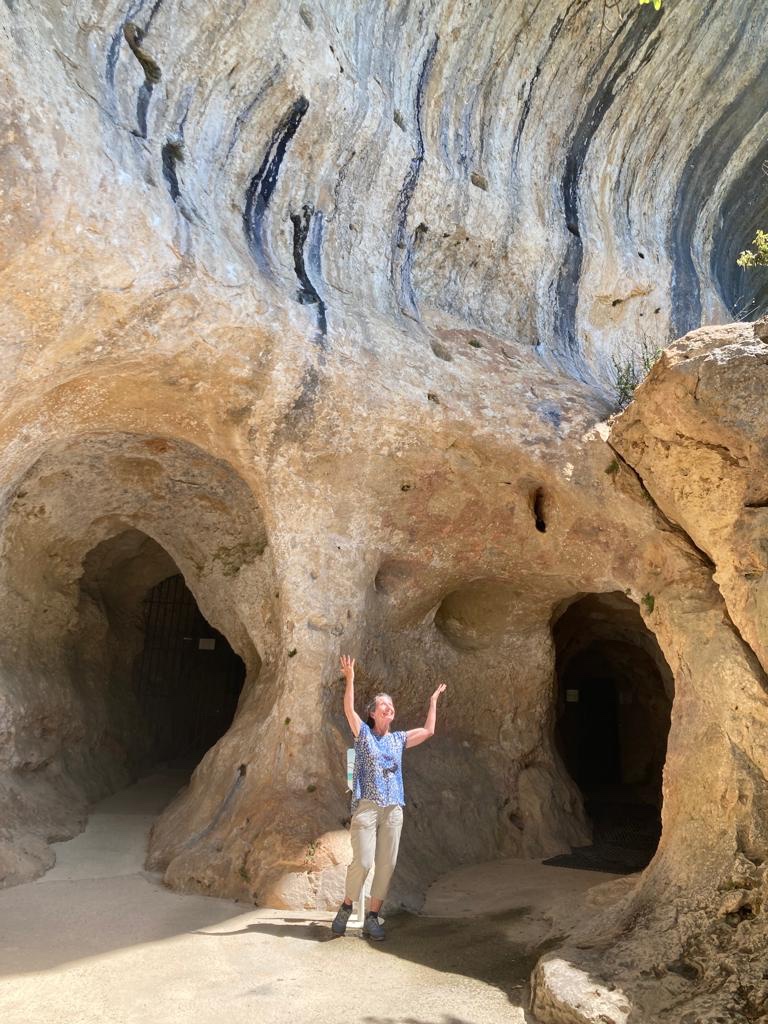
We arrived early at Font-de-Gaume having failed to navigate the on-line purchase of tickets. Happily we were told we could return at 1:40 for a guided tour.
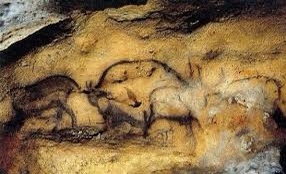
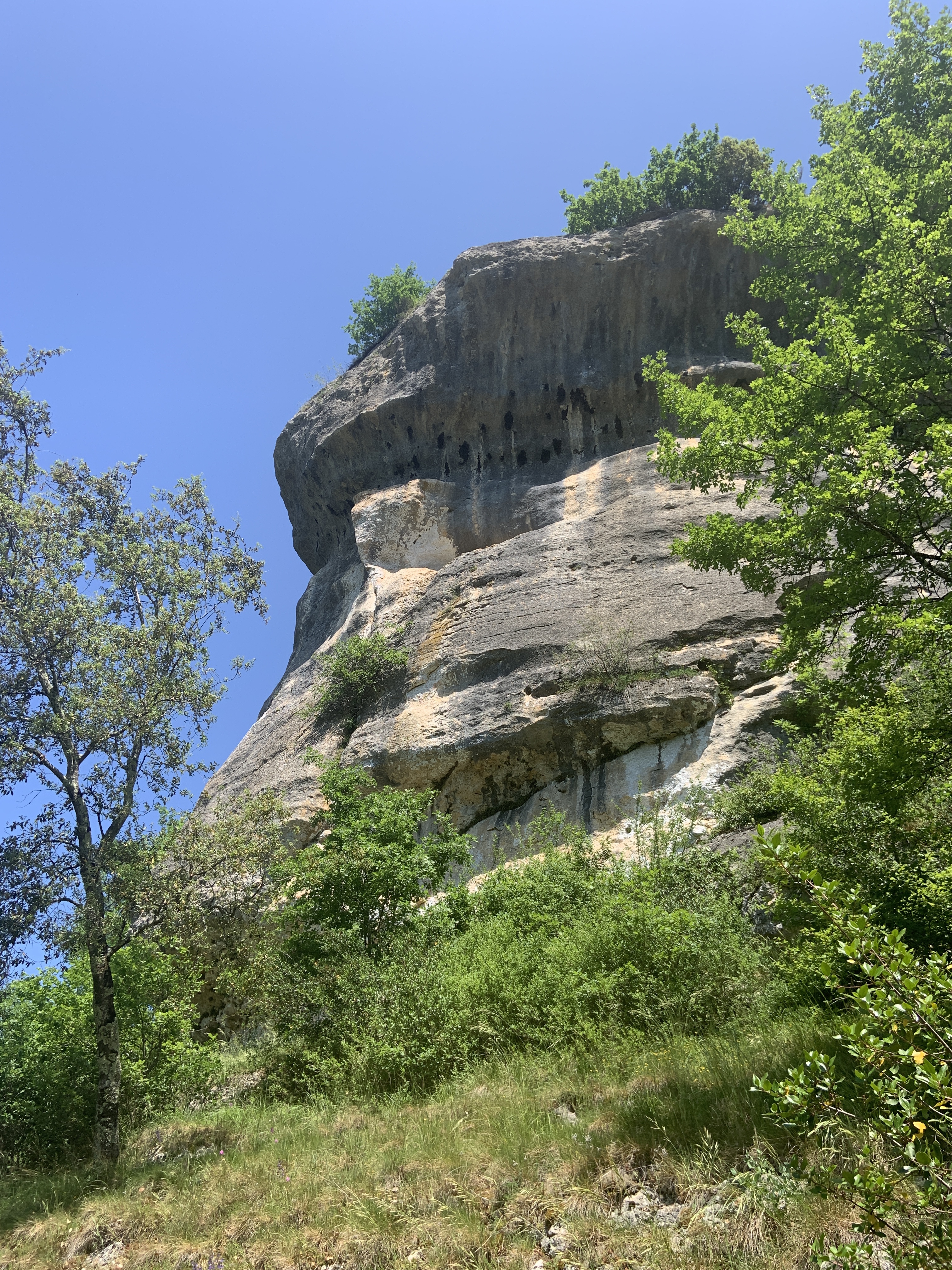
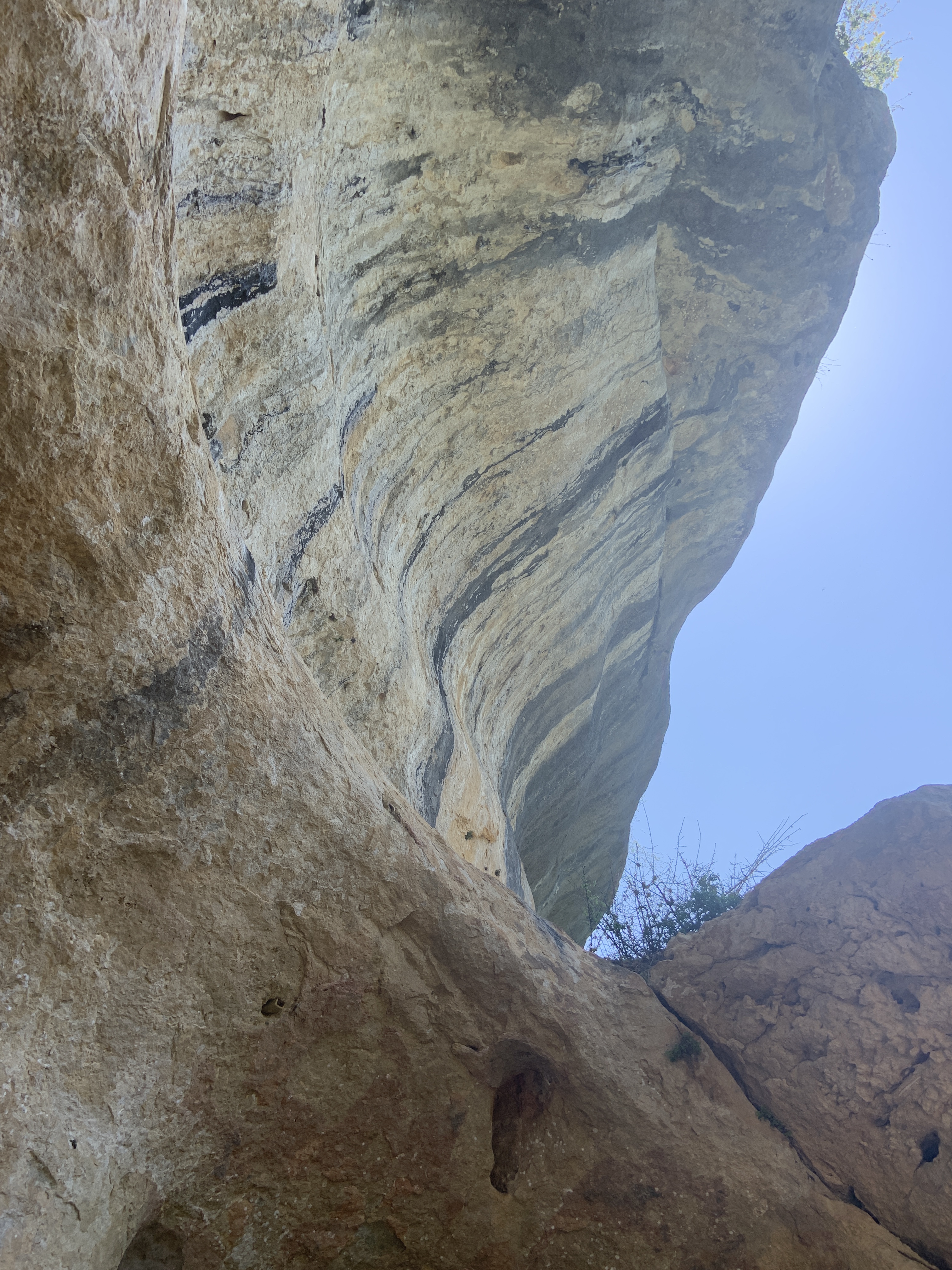
This cave near is Les Eyzies-de-Tayac-Sireuil in Dordogne as well The cave contains prehistoric polychrome cave paintings and engravings dating to the Magdalenian period – or 20,000 years ago! Discovered in 1901, the cave was les “showy” than Lascaux but more impressive for being real.


We left after our explorations and headed for the next village – Rocamadour!

 Chris and Ellen’s 2022 European Adventure